Winning With AI, One Pittsburgh Evening on the Busywork
An evening in Pittsburgh for owners of every kind of business. Storefronts in Lawrenceville, contractors out of Cranberry, studios on the South Side, offices downtown, and single-person operations run from a kitchen table.
Coming soon to Pittsburgh, PA. The date and venue are not set yet. Pre-register to be the first alerted when they are.
Pre-register for the seminar in Pittsburgh
What is the seminar in Pittsburgh, PA?
Winning With AI is a live evening seminar in Pittsburgh, Pennsylvania for business owners of every type. You learn in plain English how to use AI for customer follow-up, marketing, quotes and proposals, scheduling, and everyday paperwork. No coding, no technical background needed, and everything shown is something you can do again at your own desk.
- Format: One live evening in the Pittsburgh area, in person
- Who comes: Owners and managers from every kind of local business, including solo operators
- Teaching: Mike Filsaime, 25 years building companies including Groove, Kartra, WebinarJam, and EverWebinar
- Covered: Follow-up, marketing, quotes and proposals, scheduling, daily admin
- Cost: $49 early-bird while available, money-back guarantee
What does the evening in Pittsburgh actually cover?
It is a working session rather than a talk. The tools get opened and used on real jobs: answering the question that came in Saturday, writing the estimate you keep pushing back, producing the posts you meant to publish last month, settling a schedule without a chain of texts.
The room is deliberately varied. A Pittsburgh electrician, a coffee shop owner in Bloomfield, a bookkeeper in Mount Lebanon, and a two-person design studio all leave with the same core uses, because the daily work rhymes even when the businesses do not.
It runs one evening. There is no course afterward, no required software, and no commitment past that night.
Is AI worth it for a small business in Pittsburgh, Pennsylvania?
The hours that disappear in a Pittsburgh business are mostly written hours: replies, quotes, follow-ups, posts, notes. These tools are genuinely good at that work, and the evening stays on it rather than drifting into what AI might do someday.
It also draws a clear line. Judgment about price, a difficult conversation with a long-time customer, and anything reputational are yours. That boundary gets as much time as the tools do.
You will decide the value yourself before you leave. If it is not right for you, say so in the room and the registration fee is refunded.
Why is this AI seminar built for Pittsburgh businesses?
Pittsburgh's business base is spread across a lot of small, distinct neighborhoods and river towns. An owner in Lawrenceville, one in Carnegie, and one out toward Monroeville rarely compete with each other, and all three are short on the same thing: time to keep up with customers.
Hills and bridges make the region feel bigger than the map says. Time lost to driving is time not spent on quotes and follow-up, which is exactly the work that tends to slide to the end of the day.
Most local businesses here are small enough that the owner is the bottleneck. The evening is about moving work off that bottleneck without putting another person on the payroll.
What do Pittsburgh attendees walk away with?
- Answers before the customer moves on. Draft replies to after-hours questions so nobody waits two days for something you already know.
- Estimates written the same day. Turn notes from a call or a walkthrough into a quote you can check and send immediately.
- Marketing that gets published. Build a batch of posts and emails in one sitting instead of starting cold each week.
- Follow-up without a reminder list. A repeatable way to reach every person who asked about your work and went quiet.
- Paperwork drafted for you. Summaries, checklists, and instructions written from what you already have on hand.
- The work that stays yours. A straight account of what to keep away from these tools and why.
Who is the Pittsburgh seminar for?
What owner-operators across the Pittsburgh region get out of the Pittsburgh evening
One to ten people, with the owner still handling sales, service, and admin.
- Do more before hiring
- Keep up with inquiries
- Get marketing out consistently
What trades and mobile crews get out of the Pittsburgh evening
Contractors, cleaners, landscapers, repair and installation businesses covering the county and beyond.
- Quote between jobs
- Follow up on open estimates
- Cut scheduling back and forth
What shops, studios, offices, and online sellers get out of the Pittsburgh evening
Retail, food, salons, professional practices, nonprofits, and anyone selling online from Pittsburgh.
- Answer common questions instantly
- Write descriptions and listings faster
- Keep past customers in the loop
How does a live seminar compare with free videos and an online course?
| This live seminar | Free online videos | Self-paced AI course | |
|---|---|---|---|
| Format | One live evening in Pittsburgh with questions answered in the room. | Watched alone, with no one to ask when it does not work the same for you. | Modules on your own time, which usually means whenever the week allows. |
| Who it is for | Any Pittsburgh owner or manager, any trade, any size, nothing technical assumed. | Aimed at a general audience, often people already comfortable with the tools. | Broad business training that may not fit a small local operation. |
| Getting started | You use the tools on your own work that evening. | Turning watching into doing is entirely on you. | Often weeks before you reach something usable. |
| Local peers | A room of Pittsburgh-area owners from unrelated trades working the same problems. | No local context and nobody to compare notes with. | Online communities exist, rarely with anyone from Western Pennsylvania. |
| Cost and commitment | $49 early-bird while available, one evening, money-back guarantee. | Free, but the time spent sorting good from bad adds up. | Often a monthly fee that runs whether you use it or not. |
What is Pittsburgh, PA actually like?
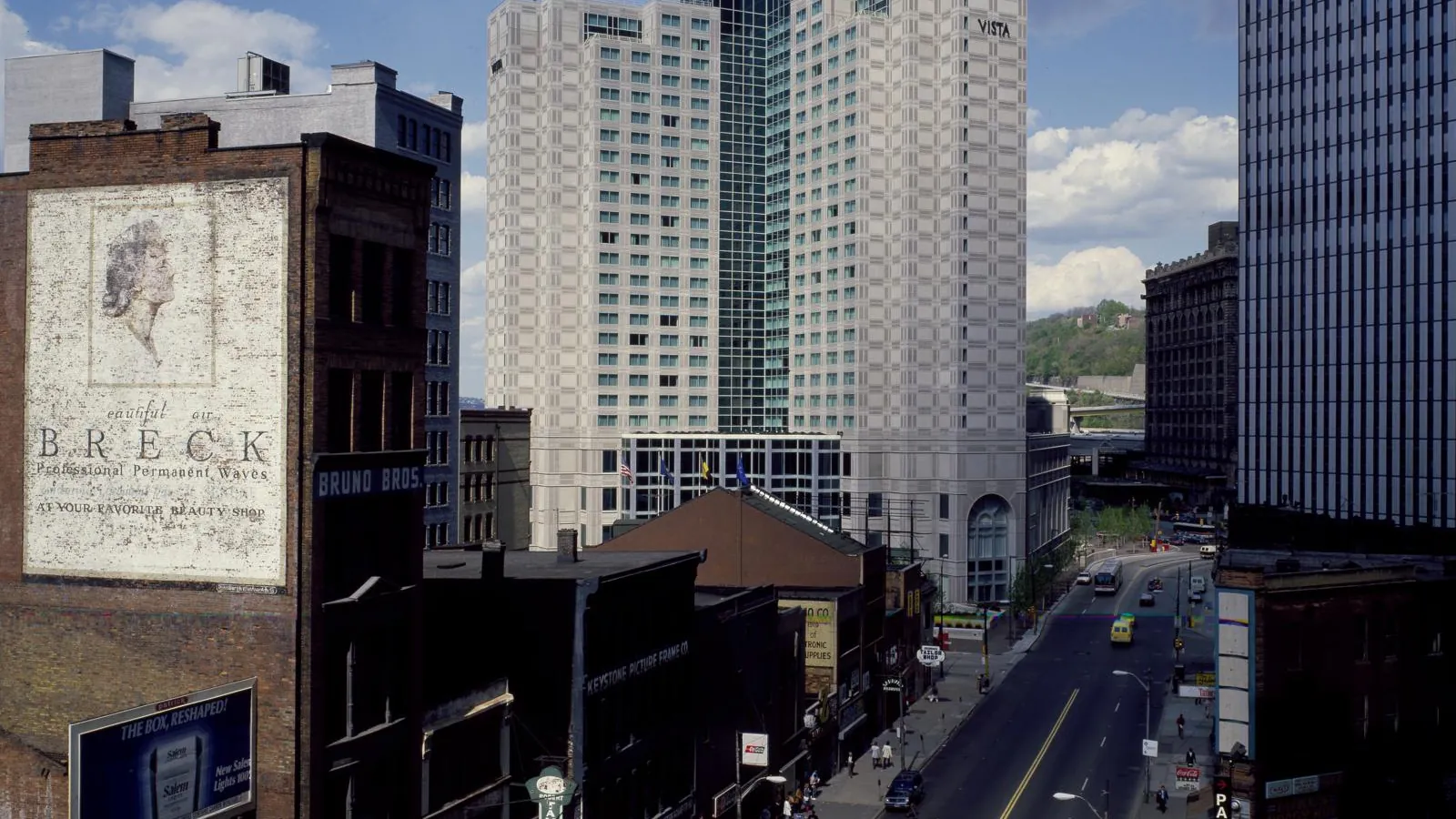
Pittsburgh sits where the Allegheny and Monongahela meet to form the Ohio, with downtown in the point between them and Mount Washington looking down on it. The Strip District, Lawrenceville, the South Side, and Squirrel Hill each have their own commercial character.
The wider region runs out through Allegheny County and into Butler, Washington, and Westmoreland, where a good share of the area's independent trades and shops operate.
It is a market built on long relationships and referrals, which rewards owners who answer quickly and follow up without being chased.
How Pittsburgh businesses are using AI right now
Pittsburgh owners use these tools for the same handful of jobs whatever they sell. Drafting replies to overnight inquiries. Turning site-visit notes into a written quote. Following up with someone who asked about a price weeks ago. Writing a batch of posts from a few photos and a rough idea.
Behind the counter, the same tools summarize long email threads, draft training notes for a new hire, clean up a messy contact list, and write the routine documents that keep getting postponed.
Who teaches the Pittsburgh seminar?
Mike Filsaime leads the Pittsburgh evening. Before any of the teaching there were 25 years of building companies, Groove, Kartra, WebinarJam, and EverWebinar included, so the methods shown here were tested inside real operations first.
He keeps the language plain. Anything with a technical name gets explained as it comes up, and no one is expected to walk in knowing the vocabulary. If you can say what needs doing, the steps will make sense.
In Pittsburgh the examples get built at the front of the room, live, with questions from the seats along the way. That is the part a recording cannot reproduce.
What do people who have seen this say about it?
My project lead was wearing too many hats, and the team felt it. This one event showed us how AI could take that work off people's plates. The impact on our sanity has been massive.
Thank you for your incredible knowledge and insight. It made a powerful impact. I don't take anyone's time lightly, least of all someone with your level of marketing genius.
He'll not only make it simple, he'll make it very profitable.
When I saw what Winning With AI could do, I knew we had to move fast. Work that used to drag out for three months now gets delivered by my team in two or three days.
When is the seminar coming to Pittsburgh?
We have not set the Pittsburgh date yet. Pre-register and you will be the first to know when we do, before seats go on sale to everyone else.
Pre-register for the seminar in Pittsburgh
What do people in Pittsburgh ask about the seminar?
Who should attend the Winning With AI seminar in Pittsburgh?
Any business owner or manager in the Pittsburgh area, whatever the trade. Contractors, shops, restaurants, offices, studios, nonprofits, and one-person businesses all attend the same evening.
Do I need technical experience for the Pittsburgh seminar?
No. Writing a plain email is the only skill required. There is no coding and nothing to install ahead of time.
What will I take away from the Pittsburgh seminar?
Working methods for customer replies and follow-up, quotes and proposals, marketing in batches, scheduling, and routine written admin. You practice each during the evening.
Is the Pittsburgh seminar aimed at any one industry?
No. It is built for a mixed room, and the local examples span many different trades rather than one sector.
How much is the Pittsburgh seminar?
$49 early-bird while available, covered by a money-back guarantee. Say so before you leave the room and the registration fee is refunded.
When is the Winning With AI seminar in Pittsburgh?
Pre-registration is open now. Pre-registered owners get first notice of the confirmed date and venue.
How do I pre-register for the Pittsburgh seminar?
Use the registration button on this page to join the list for the Pittsburgh date.
Who teaches the seminar in Pittsburgh?
The teacher is Mike Filsaime. Twenty-five years of company building sit behind it, including Groove, Kartra, WebinarJam, and EverWebinar, and he works in plain English with everything built live.
How long is the Pittsburgh seminar?
One evening. No pre-work, no homework, no course afterward.
Where does the Pittsburgh evening sit in the wider program?
The Pittsburgh room is one stop on Winning With AI live seminars, the touring live AI seminar Mike Filsaime teaches one evening at a time in cities across the United States. Same teacher, same demonstrations, same money-back guarantee in every city; the examples change to match the businesses in the room.
Which other Pennsylvania cities have a seminar page?
All Pennsylvania cities | Every seminar city by state | AI for small business | Is an AI seminar worth it? | Who teaches it | Find a seminar near you